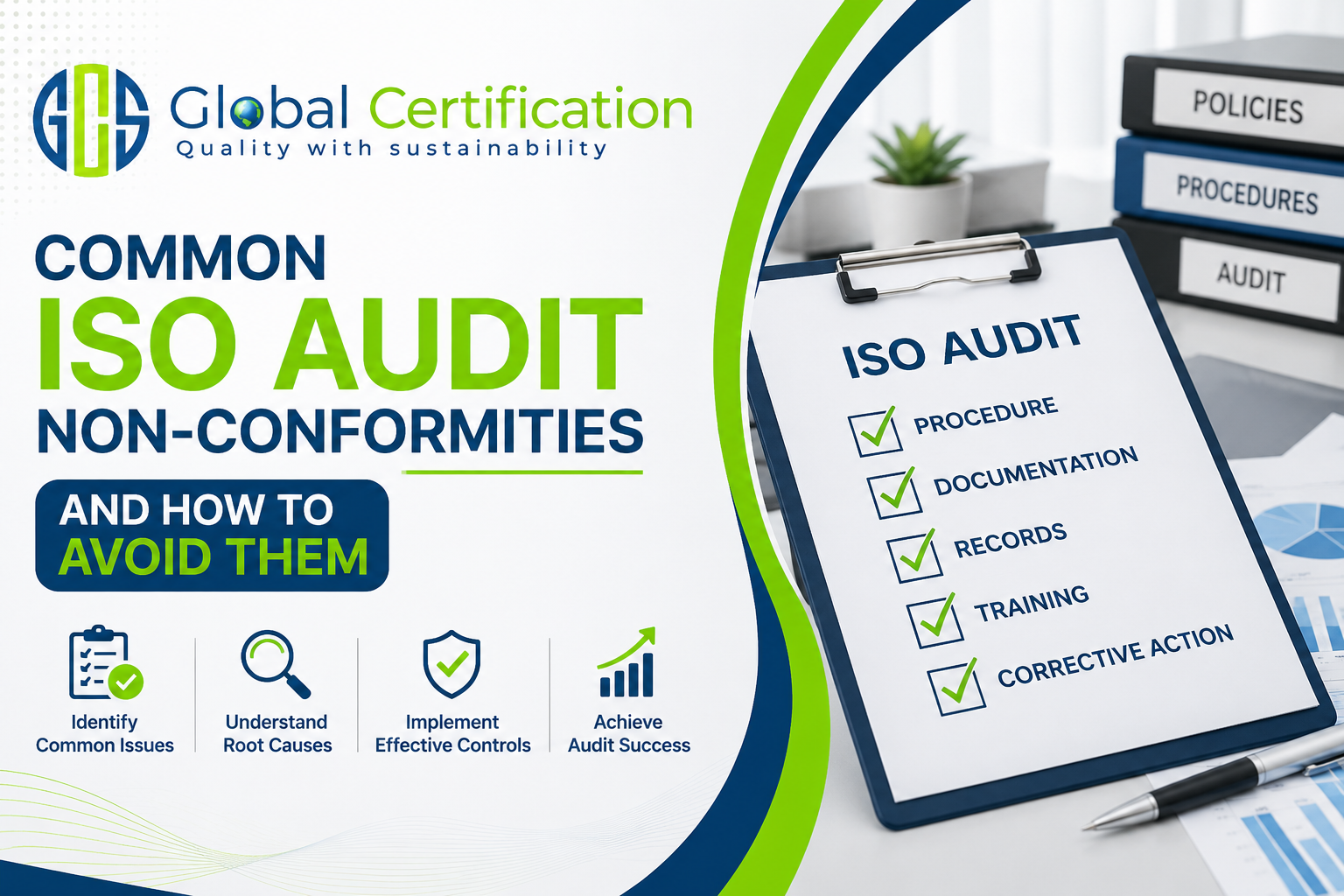
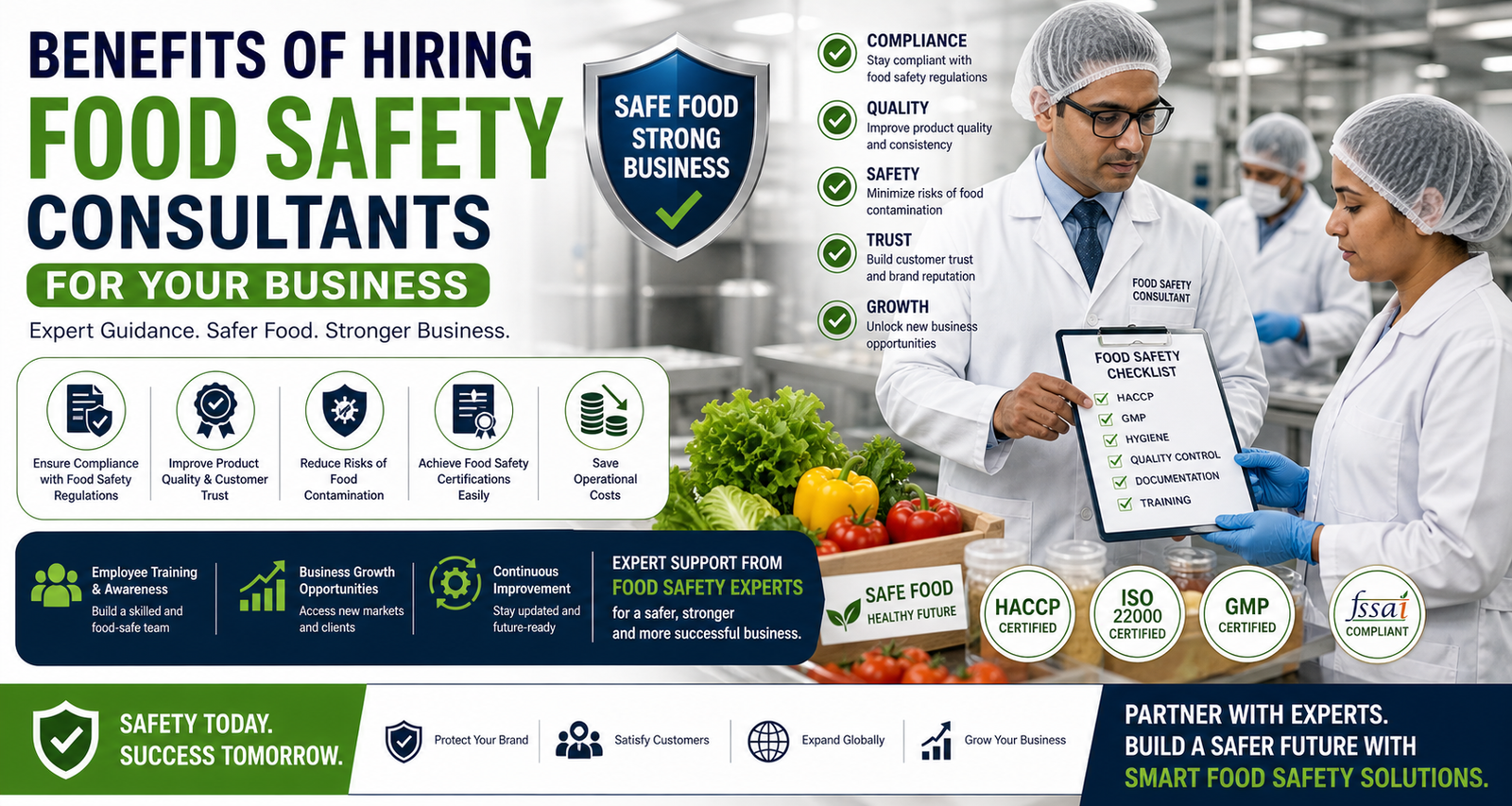
A safety audit is a systematic evaluation of an organization’s safety policies, procedures, and practices. It involves a comprehensive review of the workplace to identify potential hazards, assess the effectiveness of safety programs, and ensure compliance with relevant laws and regulations. Safety audits can be conducted internally by trained employees or externally by third-party auditors.
-
Pre-Audit Planning:
- Define the scope and objectives of the audit.
- Gather relevant documentation, such as safety policies, procedures, and incident reports.
-
Documentation Review:
- Examine safety records, training logs, inspection reports, and other relevant documents.
-
Workplace Inspection:
- Conduct a physical inspection of the workplace to identify potential hazards and evaluate safety practices.
-
Interviews and Observations:
- Interview employees and observe work processes to assess adherence to safety procedures.
-
Evaluation of Safety Programs:
- Assess the effectiveness of specific safety programs and initiatives.
-
Audit Report:
- Compile findings and recommendations in a detailed report.
-
Follow-Up Actions:
- Develop and implement corrective actions based on audit findings.
-
-
Regulatory Compliance:
- Ensure compliance with safety regulations and avoid penalties.
-
Hazard Identification:
- Identify potential hazards and risks in the workplace.
-
Risk Mitigation:
- Implement corrective actions to mitigate identified risks.
-
Continuous Improvement:
- Promote continuous improvement in safety practices and procedures.
-
Enhanced Safety Culture:
- Foster a culture of safety and accountability among employees.
-
Incident Prevention:
- Reduce the likelihood of accidents and incidents by proactively addressing hazards.
-
Improved Efficiency:
- Enhance operational efficiency by reducing downtime and disruptions caused by safety incidents.
-
Employee Morale:
- Boost employee morale by demonstrating a commitment to their safety and well-being.
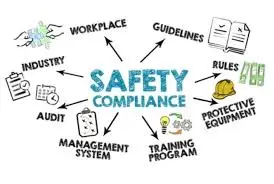
1.Understand Regulatory Requirements:
Stay informed about applicable safety regulations and standards relevant to your industry.
2.Develop a Safety Management System (SMS):
Implement a comprehensive SMS that includes policies, procedures, and performance metrics.
3.Conduct Regular Safety Audits:
Schedule and conduct regular safety audits to assess compliance and identify areas for improvement.
4.Provide Employee Training:
Offer ongoing training and education to employees on safety practices and regulations.
5.Implement Corrective Actions:
Address non-compliance issues and implement corrective actions to mitigate risks.
6.Monitor and Review:
Continuously monitor safety performance and review safety programs to ensure ongoing compliance.
7.Engage Leadership and Employees:
Ensure top management commitment to safety and engage employees in safety initiatives.