HACCP & FSMS in India: Ensure Food Safety & Compliance
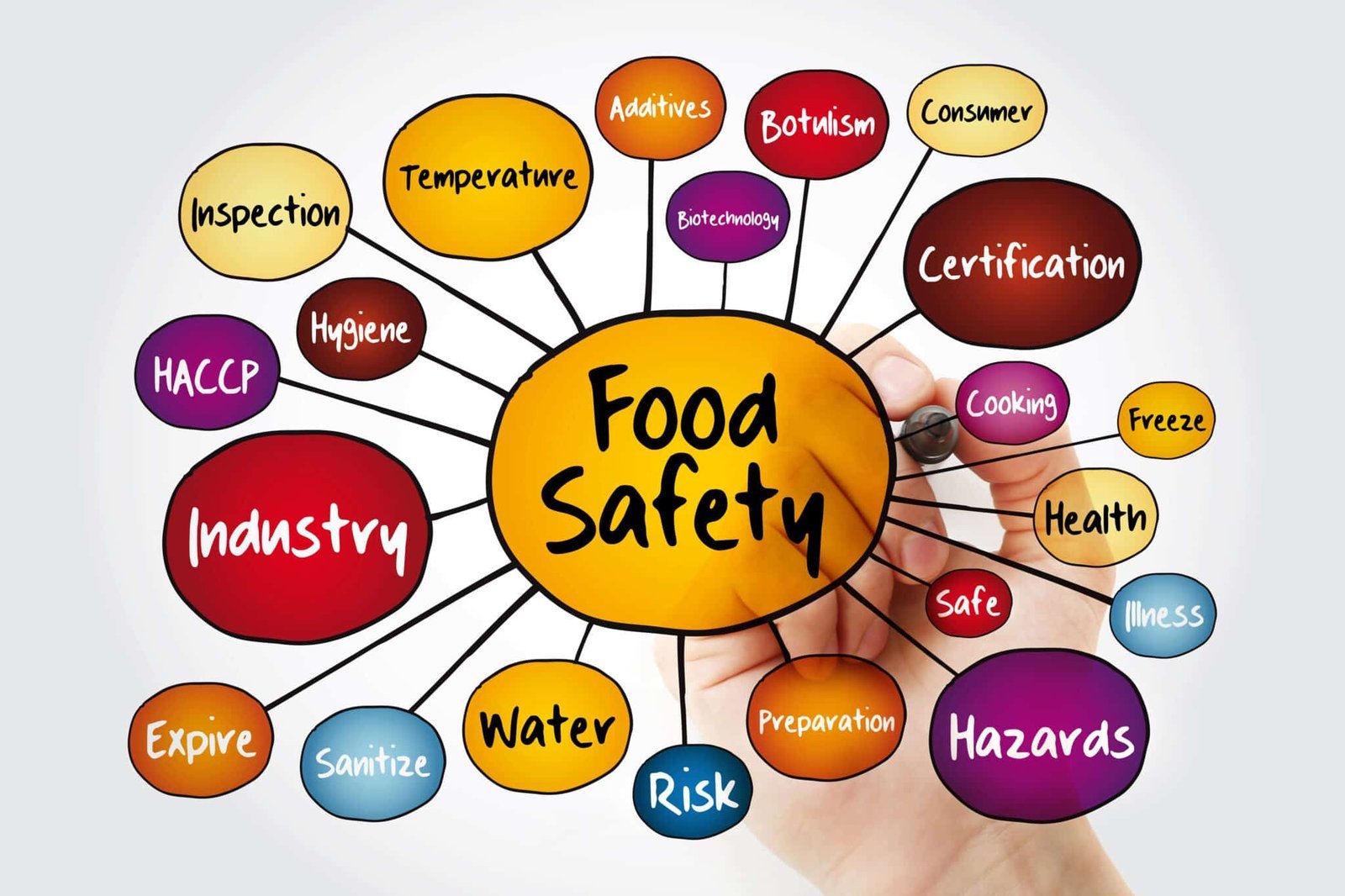
The Indian food manufacturing industry is rapidly growing. In such conditions, the need for food safety and cleanliness assumes significance. This could be in respect of food processing plants, hotels, food exporting organisations, or cloud kitchens; every business organisation dealing with food must have proper food safety guidelines in place. In this context, HACCP and FSMS help achieve the objective. The assistance provided by GCQS will make it easier for food-based businesses to create a food safety system.
In India, the food safety system is monitored by FSSAI. Compliance norms are becoming more stringent day by day.
1. What is HACCP?
HACCP is the acronym for Hazard Analysis and Critical Control Points. It is an internationally approved system for food safety prevention that seeks to evaluate and prevent any potential hazards in the food supply chain.
Examples of possible hazards are:
- Biological Hazards: bacteria, viruses, fungi
- Chemical Hazards: pesticides, cleaning agents
- Physical Hazards: metal, glass, any foreign particles
While inspection usually focuses on the food product, the approach taken in HACCP is preventive in nature in order to minimise contamination dangers.
2. What is FSMS?
FSMS is a shorthand used for Food Safety Management System. The FSMS entails all facets of food safety management ranging from policies to procedures.
The components of a successful FSMS should include:
- HACCP
- GMP (Good Manufacturing Practices)
- GHP (Good Hygiene Practices)
- Sanitation Programs
- Supplier Management
- Traceability Program
3. Why HACCP & FSMS are Important in India
The Indian food industry consists of packaged foods, dairy, restaurants, exports, online food delivery services, and food start-ups. With consumers becoming more aware, it is imperative that companies adopt higher standards of cleanliness and transparency.
Benefits of HACCP and FSMS for businesses include:
- being compliant with FSSAI regulations
- preventing food contamination
- ensuring quality of products
- avoiding potential recalls
- building customer trust
- facilitating exports
FSSAI has made further changes and implemented a third-party auditing system to increase compliance with food safety regulations in the country.
4. HACCP Seven Principles
HACCP is based on seven fundamental principles:
4.1. Conduct a Hazard Analysis
Analyse all food safety hazards in the process.
4.2. Identify Critical Control Points (CCP)
Determine the points of control within the food safety process.
4.3. Establish Critical Limits
Set up critical limits such as time and temperature.
4.4. Monitoring of Critical Control Points
Monitor CCPs constantly.
4.5. Corrective Action Plan
React quickly when a deviation from critical limits is identified.
4.6. Verification
Ensure that the system works properly.
4.7. Record Keeping
Documenting and maintaining records.
This forms an effective food safety system.
5. Role of FSMS in Food Business Compliance
FSMS extends its scope to include food safety governance at the corporate level.
It entails:
5.1 Documentation Control
Control of SOPs, logbooks, and compliance documents
5.2 Employee Training
Employee training on sanitation and food safety measures
5.3 Supplier Management
Safe sourcing of ingredients
5.4 Internal Audits
Routine internal audits to detect deviations
5.5 Product Traceability
Tracing products from production to the point of sale
Such a management system becomes more critical for packaged food manufacturers and exporters.
6. Food Industries that Require Implementation of HACCP and FSMS in India
HACCP and FSMS are required by industries including:
- Food manufacturing units
- Dairies & Beverage companies
- Cloud kitchens & Restaurant chains
- Exporters of Food Products
- Cold Storage & Logistics firms
- Catering businesses
- Food product retail chains
For exporters, HACCP and FSMS become mandatory as per the demands of foreign buyers.
7. Benefits for Food Businesses
7.1 Greater Compliance
Facilitates adherence to FSSAI and international norms
7.2 Lowered Risks
Prevents contamination and product recalls
7.3 Increased Efficiency
Streamlines processes and enhances productivity
7.4 Customer Confidence
Enhances credibility with consumers and retailers
7.5 Certifications for Export
Aids in obtaining ISO 22000 and BRC
Organizations collaborating with GCQS will be able to enhance their compliance and operational efficiency.
8. How GCQS Facilitates HACCP & FSMS Implementation
HACCP and FSMS require experience, documentation, and audit preparedness.
GCQS assists organizations with:
- Development of HACCP plan
- Documenting FSMS
- Gap Analysis
- Audit preparation
- FSSAI compliance
- ISO 22000 certification readiness
9. Conclusion
The importance of HACCP and FSMS is indispensable for ensuring food safety and compliance in India. Such techniques will ensure that the organisation does not get exposed to any kind of risk, becomes efficient, and complies with the rules and regulations.
Given the increasing role of FSSAI, organisations must adopt a proactive strategy instead of adopting a reactive one.
Organisations may benefit from the experience of GCQS in HACCP and FSMS.