FSMS vs ISO 22000: Key Differences
Trust is built in any business in food through safety, cleanliness, and compliance. In the food industry, there are two terms that are used widely, FSMS and ISO 22000. Despite the fact that these two terms have some similarities, there are distinct differences between them. Most organisations often find themselves in confusion while making a choice between the two. This can assist organisations in making the right choices. With proper assistance from GCQS, organisations can comply worldwide with both terms easily.
1. What is FSMS?
FSMS means Food Safety Management System. FSMS is a well-organised system that consists of policies, processes, procedures, and practices that aim at ensuring the safety of food throughout the entire process of production, transportation, and storage.
FSMS is not an individual standard; it is more like a concept or system that integrates various components of food safety, including:
- HACCP (Hazard Analysis and Critical Control Point)
- GMP (Good Manufacturing Practice)
- GHP (Good Hygiene Practice)
- Sanitation process
- Supplier control
- Traceability mechanism
- Auditing process and record keeping
In India, FSMS becomes mandatory when it comes to obtaining approval from the Food Safety and Standards Authority of India (FSSAI).
2. What is ISO 22000?
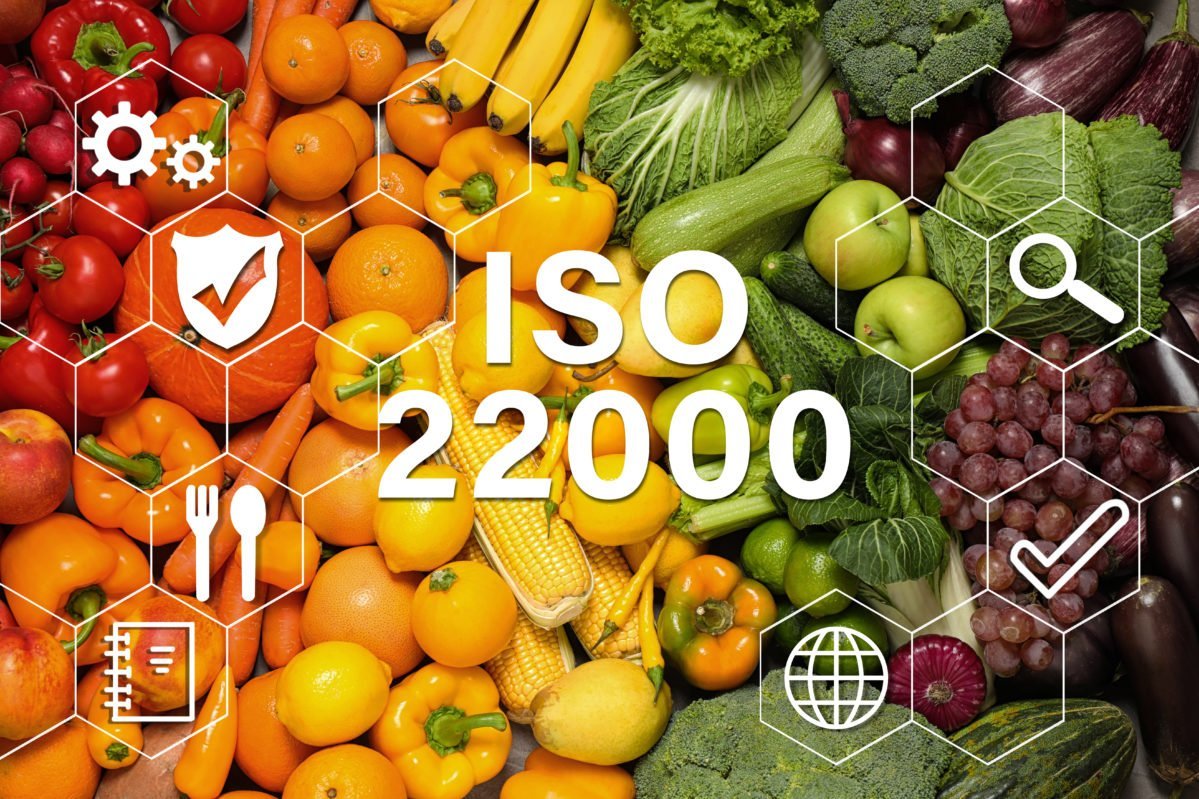
ISO 22000 is internationally accepted as a Food Safety Management System (FSMS).
This is a methodology through which organisations can implement a strategy for ensuring food safety in the entire chain process, starting from the producer level up to the consumer level.
Elements included in ISO 22000 include:
- HACCP principles
- PRPs (Pre-Requisite Programs)
- Risk-based approach
- Supply Chain Communication
- Documentation and auditing of the system
- Unlike FSMS, ISO 22000 is a standardised system.
Companies that acquire ISO 22000 certification are those that meet international food safety standards.
3. Core Difference Between FSMS and ISO 22000
The primary difference lies in scope and recognition.
| Feature | FSMS | ISO 22000 |
| Definition | A general food safety system | An international standard |
| Nature | Concept/framework | Certifiable standard |
| Recognition | Local or internal | Global recognition |
| Requirement | Often mandatory under FSSAI | Voluntary but highly valuable |
| Focus | Basic food safety compliance | Structured global system |
| Certification | Not always certified | Requires certification audit |
4. FSMS: Foundation of Food Safety
FSMS is the cornerstone of any food safety system. It helps organisations to ensure compliance with basic safety and hygiene. Basic characteristics of FSMS include the following:
4. 1. Basic Compliance
Assists with compliance with basic standards like FSSAI standards.
4. 2. Process Control
Assists with process handling of food from start to finish.
4. 3. Documentation
Records everything for auditing and inspections.
4. 4. Hygiene Management
Concerned with sanitation, pest control, and personal hygiene.
FSMS is crucial for all types of food establishments, particularly small & medium organizations.
5. ISO 22000: Advanced Food Safety System
ISO 22000 is an evolution of FSMS that applies at the international level. It offers a more organized and standardized framework.
Main characteristics are:
5. 1. International Acceptance
Recognized by global consumers, sellers, and governing agencies.
5. 2. Risk-Oriented Framework
Centers on risk identification and mitigation.
5. 3. Comprehensive Model
Incorporates HACCP, PRPs, and management systems.
5. 4. Continuous Improvement
Necessitates routine auditing and system enhancement.
Companies that collaborate with GCQS can adopt ISO 22000 efficiently.
6. When Should You Choose FSMS?
FSMS is suitable if:
- You are a small food business
- You are starting a new food venture
- You need FSSAI compliance
- Your operations are local
- You are not exporting products
FSMS helps you build a strong base for food safety.
7. When Should You Choose ISO 22000?
ISO 22000 is ideal if:
- you are exporting food products
- you want to work with international clients
- you are scaling your business
- you want global credibility
- you need advanced risk management
ISO 22000 helps businesses expand into international markets.
8. Can FSMS and ISO 22000 Work Together?
- Absolutely, that is so.
- While FSMS is the foundation, ISO 22000 acts as the improved version of FSMS.
- Organizations usually start with the adoption of FSMS and then go ahead with ISO 22000.
- This way, the adoption process becomes easier.
- Through GCQS, it is possible for organizations to adopt both these systems.
9. Benefits of Adopting Both the Above-mentioned Systems
There are various advantages that accrue from adopting these two systems.
The most important of these are mentioned below:
- basis for food safety
- quality products
- regulatory compliance
- client confidence
- smooth audits
- export capability
This combination helps businesses remain competitive and future-ready.
10. Role of GCQS in Certification Support
The implementation of FSMS and ISO 22000 needs adequate planning, documentation, and audits.
Global Certification for Quality and Sustainability (GCQS) helps businesses in:
- FSMS implementation
- ISO 22000 implementation
- gap assessment
- audits preparation
- certification help
- compliance management
Thus, your business will obtain quick certification and future success.
11. Conclusion
FSMS and ISO 22000 are two important concepts that must be implemented to achieve food safety. FSMS is about the basic framework that guarantees compliance with laws and standards. ISO 22000 is a global certification program that implies an advanced food safety management system. Choose what you need, based on the size of your business and target market. With assistance provided by Global Certification for Quality and Sustainability (GCQS), you will easily implement the required framework.