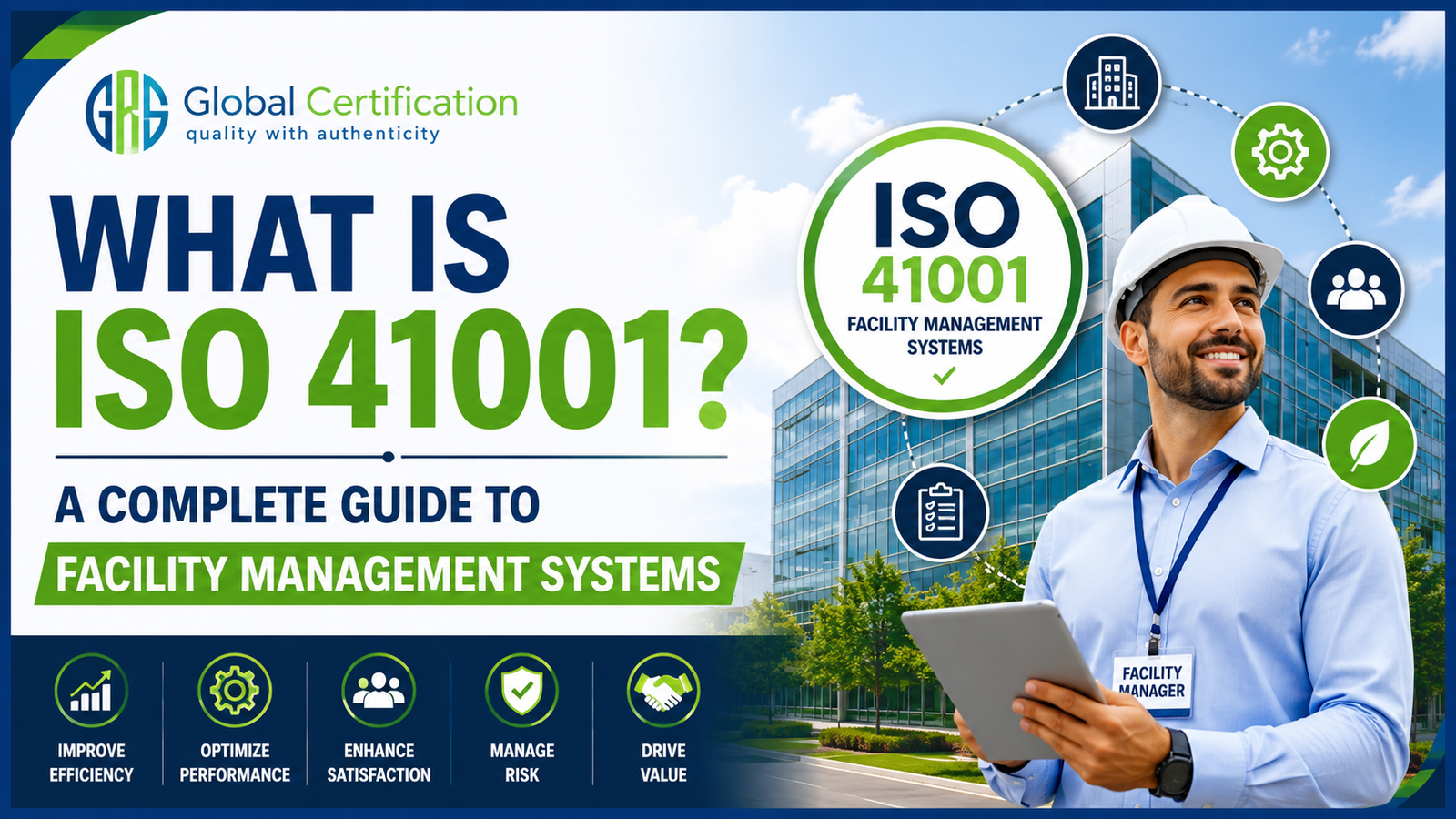
ISO 41001 certification demonstrates that an organization has implemented a robust facility management system that complies with international best practices. The certification is issued by accredited certification bodies after a thorough assessment of the organization’s FMS. It applies to all types of organizations, regardless of their size, sector, or geographical location.
Improved Facility Performance:
- Helps organizations optimize the performance and efficiency of their facilities, reducing operational disruptions and costs.
Enhanced Customer Satisfaction:
- Focuses on meeting customer needs and expectations, leading to improved satisfaction and loyalty.
Operational Efficiency:
- Streamlines facility management processes, improving operational efficiency and reducing waste.
Regulatory Compliance:
- Assists organizations in meeting regulatory and legal requirements related to facility management.
Risk Mitigation:
- Provides a structured approach to identifying and managing risks associated with facilities, enhancing safety and reliability.
Sustainability:
- Encourages sustainable practices, reducing environmental impact and promoting long-term sustainability.
Strategic Alignment:
- Aligns facility management activities with the organization’s strategic goals, supporting overall business success.
Stakeholder Confidence:
- Builds trust and confidence among stakeholders, including customers, employees, and regulators, by demonstrating a commitment to effective facility management.
-
The certification process for ISO 41001 involves several steps to ensure that the organization’s facility management system meets the standard’s requirements:
Gap Analysis:
- Conduct an initial assessment to identify gaps between the current facility management practices and the ISO 41001 requirements.
Planning and Training:
- Develop a plan to address identified gaps. Train employees on the principles and requirements of ISO 41001 and the facility management system.
Documentation:
- Create or update necessary documentation, including the facility management policy, objectives, and procedures, to comply with ISO 41001.
Implementation:
- Implement the facility management system across the organization, ensuring all processes are followed as documented.
Internal Audit:
- Conduct internal audits to evaluate the effectiveness of the facility management system and ensure compliance with ISO 41001.
Management Review:
- Top management should review the facility management system to ensure its continuing suitability, adequacy, and effectiveness.
Certification Audit:
- An accredited certification body conducts a certification audit, including a thorough review of the facility management system documentation and an on-site assessment of the implementation.
Certification Issuance:
- If the audit is successful, the certification body issues an ISO 41001 certificate, valid for three years, subject to annual surveillance audits.
Continuous Improvement and Surveillance Audits:
- Maintain the facility management system and continually improve processes. Certification bodies conduct annual surveillance audits to ensure ongoing compliance with ISO 41001.
Optimized Facility Performance:
- Enhances the performance and reliability of facilities, leading to increased productivity and reduced operational costs.
Cost Savings:
- Reduces maintenance and operational costs through effective facility management strategies and practices.
Improved Risk Management:
- Provides a structured approach to identifying and mitigating risks associated with facilities, enhancing operational resilience.
Enhanced Customer Experience:
- Focuses on delivering high-quality facility management services that meet customer needs and expectations.
Regulatory Compliance:
- Assists in meeting regulatory and legal requirements related to facility management, reducing the risk of non-compliance and associated penalties.
Sustainability:
- Promotes sustainable facility management practices, reducing environmental impact and contributing to long-term sustainability goals.
Strategic Planning:
- Aligns facility management activities with the organization’s strategic goals, supporting overall business success.
Stakeholder Trust:
- Builds trust and confidence among stakeholders by demonstrating a commitment to effective and responsible facility management.
- Corporate Offices: To ensure the efficient and effective management of office facilities, enhancing employee productivity and satisfaction.
- Healthcare Facilities: To maintain and optimize medical facilities and equipment, ensuring the highest standards of care.
- Educational Institutions: To manage educational facilities effectively, supporting the quality of education and administrative processes.
- Manufacturing Plants: To optimize the performance and reliability of production facilities and equipment.
- Public Sector Organizations: To ensure the efficient and sustainable management of public facilities and infrastructure.
- Retail and Hospitality: To enhance the customer experience through effective facility management in retail stores, hotels, and restaurants.
- Manufacturers: To ensure product quality, meet customer requirements, and improve production efficiency.
- Service Providers: To enhance service quality, customer satisfaction, and operational effectiveness.
- Healthcare Organizations: To improve patient care quality, regulatory compliance, and operational efficiency.
- Educational Institutions: To enhance the quality of education and administrative processes.
- Government Agencies: To improve service delivery, transparency, and accountability.
- Non-Profit Organizations: To ensure the quality and effectiveness of their services and operations.