What is Carbon Credit and How Businesses Can Benefit from It
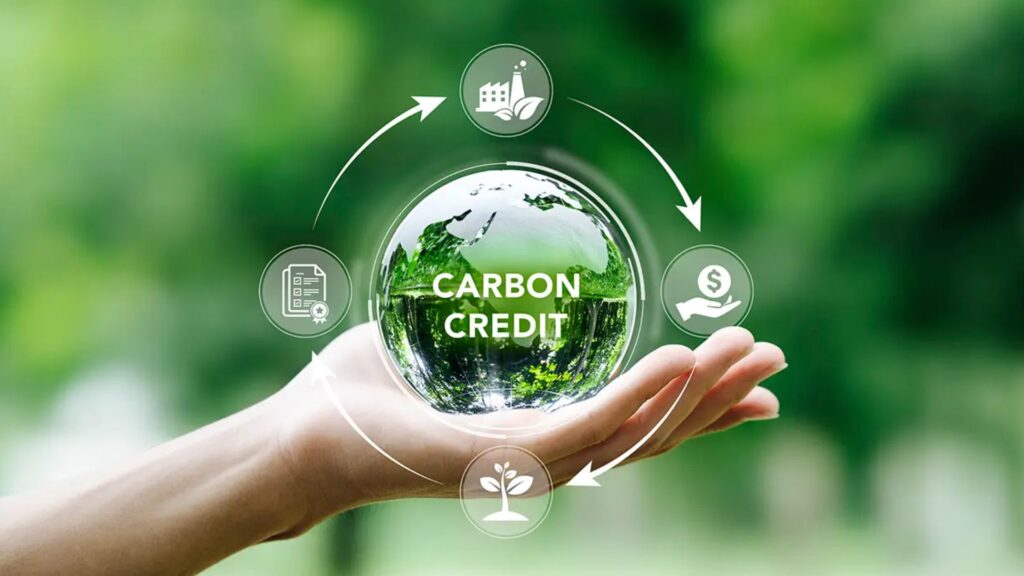
Environmental sustainability has become a global priority for governments, industries, and consumers alike. With rising concerns about climate change and increasing levels of greenhouse gas emissions, businesses are now expected to adopt environmentally responsible practices. One of the most effective mechanisms to manage and reduce carbon emissions is the concept of carbon credits.
Carbon credits not only support environmental protection but also provide businesses with opportunities to enhance their sustainability performance, compliance, and profitability.
1. What is a Carbon Credit?
A carbon credit is a tradable permit that allows an organization to emit a specific amount of greenhouse gases. Typically, one carbon credit equals one metric ton of carbon dioxide (CO₂) or its equivalent.
The system is designed to reduce overall emissions by encouraging companies to operate efficiently. Organizations that emit less than their permitted limit can sell their unused credits to companies that exceed their emission limits—creating a market-driven approach to environmental protection.
2. How Carbon Credit Systems Work
The carbon credit system operates on three key principles:
- Reduce – Lower emissions through efficient processes and cleaner technologies
- Trade – Buy or sell carbon credits in the market
- Offset – Invest in environmental projects to compensate for emissions
Organizations are allocated a certain emission limit. If they reduce emissions below this limit, they can sell excess credits. Alternatively, businesses can earn credits by investing in sustainability initiatives such as renewable energy or reforestation projects.
3. Types of Carbon Markets
3.1 Compliance Market
This market is regulated by governments and international agreements. Companies in sectors such as manufacturing, energy, and transportation must comply with emission limits and maintain sufficient carbon credits to meet regulatory requirements.
3.2 Voluntary Market
In this market, businesses voluntarily purchase carbon credits to offset their emissions and demonstrate environmental responsibility. It is widely used by organizations aiming to improve their ESG (Environmental, Social, and Governance) performance.
4. Benefits of Carbon Credits for Businesses
4.1 Reduced Environmental Impact
Carbon credits encourage businesses to reduce their carbon footprint, contributing to environmental protection and sustainability.
4.2 Financial Opportunities
Organizations that successfully reduce emissions can sell excess credits, creating an additional revenue stream.
4.3 Improved Brand Reputation
Companies actively participating in carbon reduction initiatives are viewed as responsible and sustainable, enhancing their brand image among customers and stakeholders.
4.4 Regulatory Compliance
Carbon credits help businesses comply with environmental regulations and avoid penalties, especially in regions with strict emission laws.
4.5 Competitive Advantage
Sustainability is increasingly influencing market decisions. Businesses adopting carbon management practices gain a strong competitive edge.
5. Role of Carbon Credits in Sustainable Business Practices
Carbon credits play a crucial role in promoting sustainable operations. They encourage businesses to:
- Adopt cleaner technologies
- Improve energy efficiency
- Reduce waste and emissions
Organizations that proactively manage their carbon footprint are better prepared for future environmental regulations and market expectations.
6. Challenges in Implementing Carbon Credit Strategies
While beneficial, implementing carbon credit strategies can be complex. Common challenges include:
- Understanding carbon market mechanisms
- Accurate measurement and monitoring of emissions
- Compliance with evolving regulations
- Investment in sustainable technologies
To overcome these challenges, businesses often seek expert guidance for effective carbon management.
7. How Businesses Can Get Started
Businesses looking to adopt carbon credit strategies should begin by:
- Assessing current emission levels
- Identifying reduction opportunities
- Implementing energy-efficient practices
- Adopting renewable energy solutions
Additionally, organizations can participate in carbon offset projects to earn credits. Partnering with experts like GCQS (Global Certification for Quality and Sustainability) ensures compliance with international standards and smooth implementation.
8. Conclusion
Carbon credits have emerged as a powerful tool in the global effort to combat climate change. By creating financial incentives for emission reduction, they encourage businesses to adopt sustainable practices.
For organizations, carbon credits offer multiple benefits—from improved brand reputation to new revenue opportunities. In today’s green economy, adopting carbon credit strategies is not just an environmental responsibility but also a smart business decision.
As the world moves towards a sustainable future, businesses that embrace carbon credits will be better positioned for long-term success while contributing to environmental preservation.